12 packing tips from people who pack homes for a living
The box sizes, wrapping tricks and labelling system our packing crew uses to get kitchens unpacked on the first night.
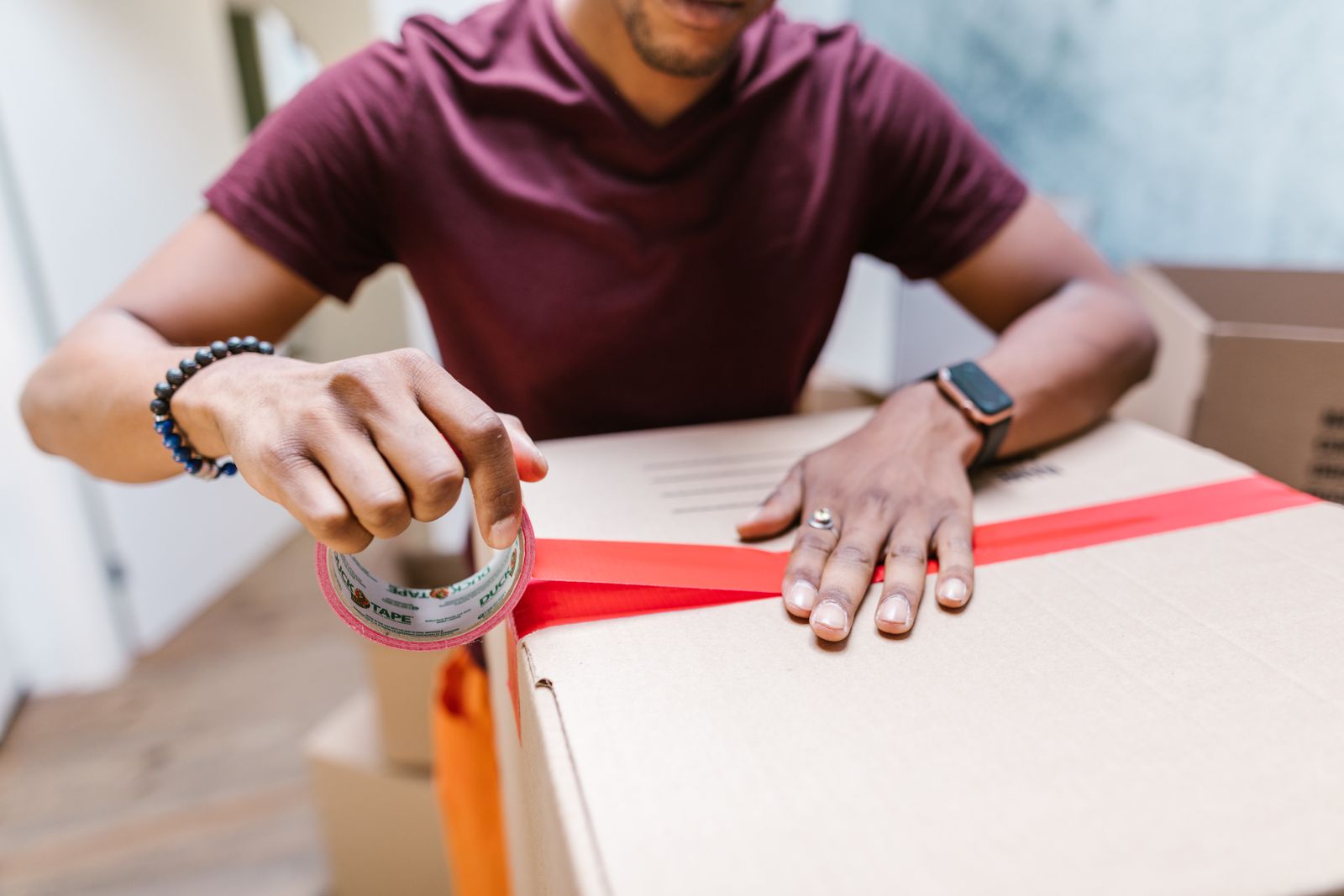
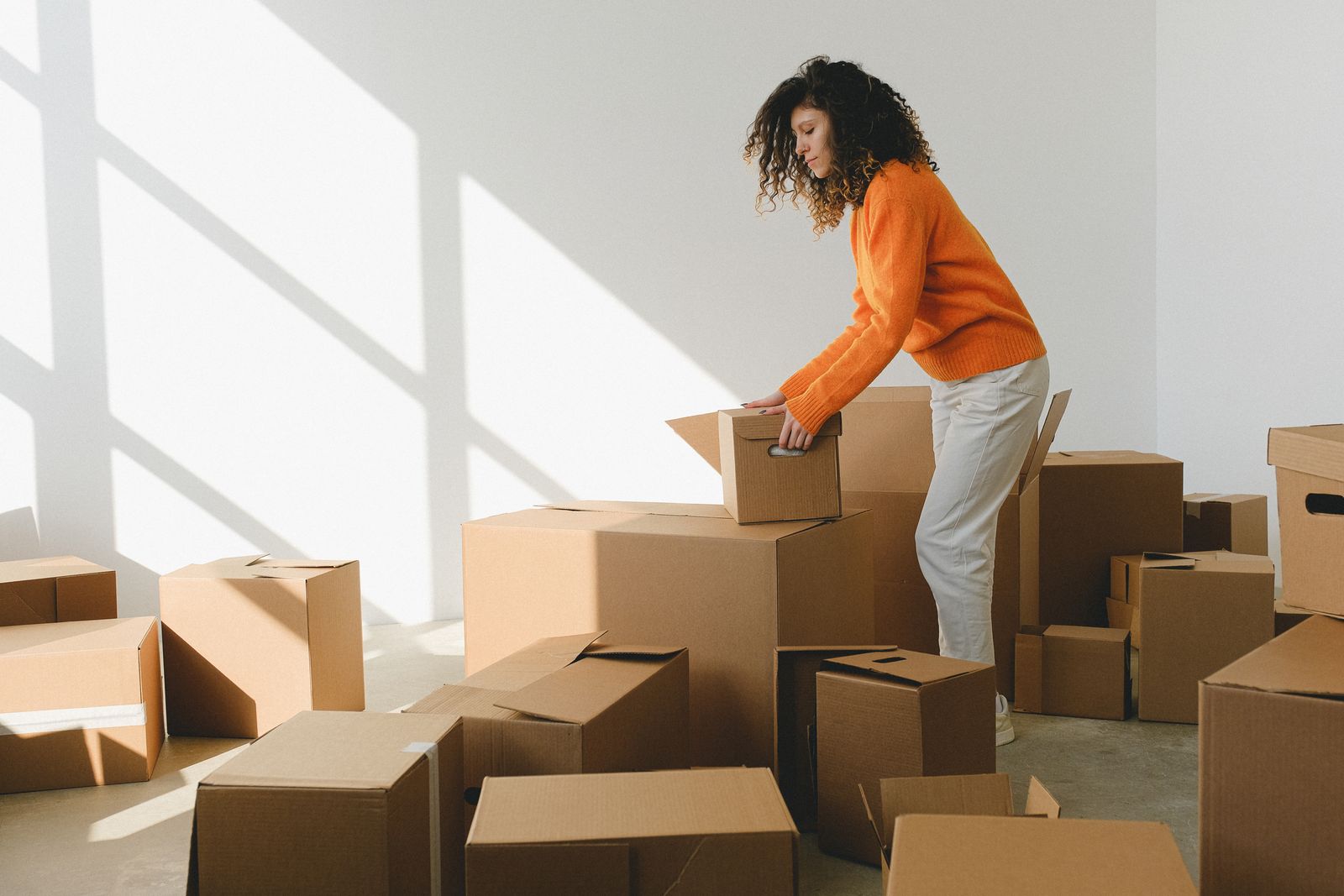
Our packing crew packs somewhere between 25 and 40 Sydney homes a month. The same small habits separate a smooth unpack from three weeks of living out of boxes. Here are the twelve we teach every new packer.
Boxes and materials
1. Use small boxes for heavy things
Books, tins and records go in small cartons, around 18 kg at most. A large box full of books is a back injury and a split bottom waiting to happen.
2. Double-wall cartons for kitchens
Single-wall boxes from the supermarket are fine for linen and toys. Plates, glasses and appliances need double-wall cartons with cell dividers.
3. Stand plates on their edge
Wrap each plate in paper and stand them vertically like records. Plates on edge survive far more pressure than a flat stack.
4. Fill every gap
Scrunched paper, tea towels or socks stop contents shifting. If a box rattles when you shake it gently, it needs more filling.
Labelling that actually helps
5. Label the side, not just the top
Boxes get stacked. Write the room and a short contents list on two sides so labels are visible on a trolley or in a stack.
6. Number boxes per room
Kitchen 1 of 9 tells you instantly if something has gone missing. It also helps the crew load rooms together.
7. Pack a first-night box
Kettle, mugs, toilet paper, phone chargers, a towel each, bed linen, basic tools, medication and snacks. Mark it clearly and keep it in your car.
The first-night box is the single most useful box in any move. Pack it first and load it last.
Furniture and electronics
8. Photograph cables before unplugging
A quick photo of the back of the TV and router saves an hour of guessing at the new place.
9. Bag and tape screws to the furniture
Put bed bolts and shelf pins in a zip-lock bag and tape it to the underside of the matching piece.
10. Leave clothes in sturdy drawers
Solid timber drawers can travel with light clothing inside. Empty flat-pack drawers completely, because the extra weight can pull them apart.
Timing
11. Start with rooms you use least
Spare rooms, garages and bookshelves can be packed two weeks out. Leave kitchens, bathrooms and bedrooms until the final two days.
12. Know when to call in help
If you have more than one evening of kitchen packing left the night before the move, book a fragile-only or kitchen pack. Our packers can usually do a kitchen in three hours, and items we pack are covered for breakage.
Our box kits include the right mix of cartons, paper, tape and a marker, and they are delivered free with every booked move. Browse the kits on our packing materials page.